

A deep understanding of financial concepts becomes increasingly vital on the journey toward financial success. Cash flow is a factor that cannot be overlooked.
For those aspiring to succeed in managing their finances, a profound grasp of the true essence of “cash flow”—and the role it plays in one’s financial life—serves as an indispensable foundation.
Cash flow is not merely a foreign term to be brushed aside; it is the determinant of an entity’s financial sustainability.
Whether in business or personal finance, cash flow plays a central role in defining financial health.
Cash flow is not just about the total amount of money coming in and going out. It encompasses the specific movement of funds, involving receipts and expenditures over a given period.
1. What is Cash Flow?

Cash flow refers to the inflow and outflow of cash within a financial entity—such as a business or an individual’s personal finances—over a specific period of time.
Simply put, cash flow measures how effectively an entity generates and manages its cash.
In a business context, cash flow is crucial because it reflects the financial health of a company.
Positive cash flow indicates that a company is capable of meeting its financial obligations, paying off debts, and creating room for investment or expansion. Conversely, negative cash flow may signal liquidity issues and concerns regarding financial sustainability.
It is important to understand that cash flow encompasses not only the money received from the sale of products or services but also accounts for expenditures, such as operational costs, investments, and financing activities.
Cash flow analysis assists financial managers and business owners in making strategic decisions to maintain financial stability and growth.
2. Types of Cash Flow

Types of cash flow consist of categories that distinguish cash movements based on their source or usage. The following are some of the primary types of cash flow:
1. Operating Cash Flow (OCF):
Operating Cash Flow encompasses cash flows derived from an entity’s operational activities, such as the sale of products or services. OCF measures an entity’s ability to generate cash from its operations, excluding investments or financing activities.
2. Investing Cash Flow (ICF):
Investing Cash Flow encompasses cash flows related to an entity’s investments, such as the purchase or sale of assets. These activities include changes in fixed assets or long-term investments.
3. Financing Cash Flow (FCF):
Financing Cash Flow encompasses cash flows related to an entity’s financial resources, such as obtaining or repaying loans, paying dividends, or issuing new shares.
Delving deeper into these types of cash flow can provide better insight into an entity’s financial health, enabling more informed decision-making in financial planning.
By understanding the concept of cash flow and its various types, we can develop smarter and more sustainable financial strategies.
3. Types of Inflows and Outflows in Cash Flow

In the context of cash flow, inflows and outflows can be grouped into several categories to provide a more detailed understanding of the sources and uses of cash. The following are the types of inflows and outflows frequently encountered:
1. Types of Inflows:
Sales Revenue: Cash received from the sale of products or services.
Example: Revenue from the sale of goods or services.
Dividend Receipts: Cash received from holding shares in other companies.
Example: Dividends received from investments in company stocks.
Interest Receipts: Cash received as interest on investments or loans.
Example: Interest income from bond investments or loans provided.
Additional Capital: Cash received from capital injections or the issuance of new shares.
Example: Funds received from the issuance of new shares to investors.
2. Types of Expenditures (Outflows):
Operational Expenses: Costs associated with day-to-day operational activities.
Example: Payments for salaries, rent, utilities, and other operational costs.
Investment Expenditures: Outlays for the purchase or sale of long-term assets.
Examples: Purchasing property, equipment, or other long-term investments.
Loan Repayments: Outlays for settling debts or loans.
Examples: Payments toward loan principal and interest.
Dividends: Dividend payments made to shareholders.
Examples: Distributing profits to shareholders.
Taxes: Payments for income taxes or other types of taxes.
Examples: Paying corporate or individual income taxes.
Analyzing these types of inflows and outflows within the context of cash flow helps financial entities manage their finances more effectively, ensures a balance between cash receipts and disbursements, and facilitates sound strategic decision-making.
4. Methods for Cash Flow Statements

A cash flow statement is an essential tool for illustrating the movement of cash within an entity over a specific period.
There are two common methods used to prepare a cash flow statement: the direct method and the indirect method. Below is a brief explanation of both:
1. The Direct Method
The direct method of preparing a cash flow statement offers greater transparency by providing a clear view of the sources and uses of cash.
This approach allows for a detailed look at specific cash receipts and disbursements, thereby enhancing the level of detail provided.
Nevertheless, this method also has drawbacks, particularly regarding its complexity. The preparation process, which requires greater detail when recording daily transactions, can demand a significant amount of time and effort.
In this method, cash receipts and cash payments are recorded directly, including transactions such as receipts from customers and payments for the provision of goods or services.
However, transactions that are not directly related to cash—such as depreciation or changes in market value—are not included directly.
Although the direct method introduces a certain level of complexity, the resulting clarity can provide deep insight into the origins of cash within a financial entity.
2. Indirect Method
The indirect method for preparing a cash flow statement offers the advantage of simplicity, which streamlines and accelerates the preparation process since it does not require the same level of detail as the direct method.
This advantage makes the indirect method more commonly used in financial reporting practice, as it simplifies financial analysis for stakeholders.
However, a drawback of this method is its lack of granularity, specifically regarding the details of daily cash receipts and disbursements.
When using the indirect method, the process begins with the net income or net loss taken from the income statement.
Adjustments are then made to account for the impact of transactions that do not directly involve cash, such as depreciation and changes in inventory.
Ultimately, the net cash flow from operating activities is determined, providing an overview of cash movements within a financial entity.
Although less detailed, the indirect method remains a popular choice due to its ease of use and its ability to provide a sufficiently clear picture of a company’s cash-related activities.
5. How to Prepare a Cash Flow Statement

Preparing a cash flow statement involves specific steps to record, analyze, and present information regarding the cash inflows and outflows of a financial entity. Below are the general steps for preparing a cash flow statement:
Identify Data Sources:
Financial Statements: Identify the necessary data from financial statements—including the income statement and the balance sheet—required to prepare a cash flow statement.
Daily Transaction Records: Obtain daily transaction records that encompass cash receipts and cash disbursements.
Determine the Cash Flow Method:
Direct or Indirect: Choose the method to be used—either the direct or indirect method. This decision may depend on management preferences and reporting requirements.
Identify Cash Flow Activities:
Operating: Determine the sources and uses of cash from operating activities, such as sales, purchases, and operating expenses.
Investing: Record transactions related to investments, including the purchase or sale of long-term assets.
Financing: Identify financial resources, such as loans or the issuance of shares, and record dividend payments.
Calculate Net Cash Flow:
Operating: Calculate the net cash flow from operating activities by subtracting expenditures from receipts.
Investing and Financing: Calculate the net cash flow from investing and financing activities by summing the receipts and subtracting the expenditures.
Non-Cash Adjustments:
Accounting Adjustments: Adjust for non-cash transactions such as depreciation, changes in inventory, or fluctuations in market value.
Present the Cash Flow Statement:
Create Three Main Sections: Divide the cash flow statement into three primary sections: operating, investing, and financing activities. Present the figures clearly and concisely.
Include Explanatory Notes: Where necessary, include explanatory notes to provide context or additional details.
Analysis and Interpretation:
Interpret the Results: Analyze the cash flow report to gain insights into financial health, liquidity, and operational sustainability.
Create Projections: Based on your analysis, develop projections for the upcoming period.
Preparing cash flow reports on a regular basis helps an entity better understand, manage, and plan its finances.
6. Tips for Managing Cash Flow
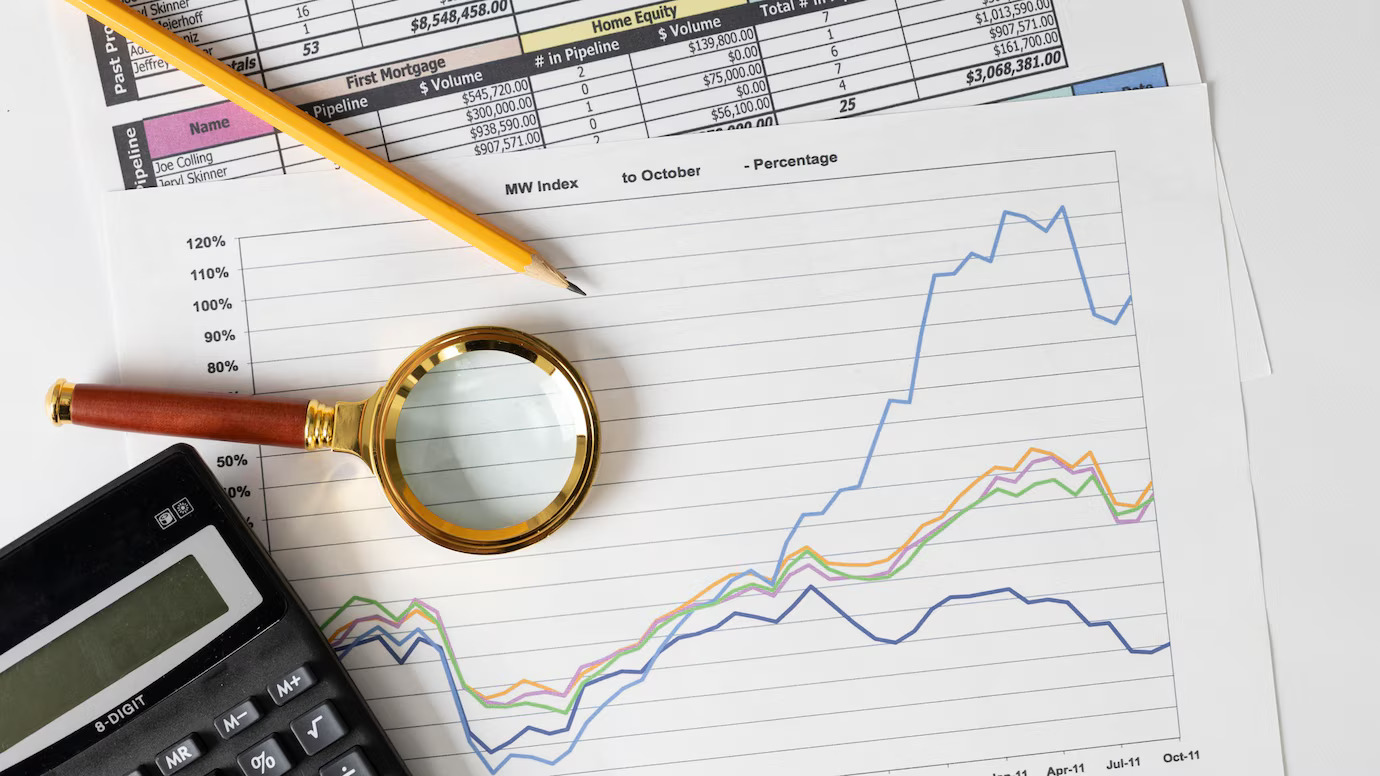
Effective cash flow management is key to maintaining financial stability and the sustainability of an entity. Here are some tips to help you better manage your cash flow:
Project Your Cash Flow:
Create cash flow projections for a specific period, based on past experience and future forecasts. This helps in planning the necessary steps to address potential cash shortfalls.
Monitor Accounts Receivable:
Closely monitor and manage accounts receivable. Ensure that invoices are issued on time and implement clear payment policies to avoid late payments from customers.
Manage Inventory:
Optimize inventory to avoid holding excessive stock. Consider a “just-in-time” model or other inventory strategies that suit your type of business.
Negotiate with Suppliers:
Negotiate with suppliers to secure more favorable payment terms. Discuss flexible payment options or discounts for early payment.
Choose the Right Payment Method:
Select a payment method that aligns with your business needs. Consider using a business credit card or online payment services to extend your payment terms.
Maintain Financial Reserves:
Establish sufficient financial reserves to handle emergencies or payment delays. This helps maintain liquidity and reduces the risk of a cash shortfall.
Optimize Administrative Processes:
Improve administrative efficiency to reduce the costs and time involved in financial processes. Automation can assist in monitoring and managing transactions more efficiently.
Maintain a Balance Between Debt and Equity:
Choose a capital structure that balances debt and equity. Excessive debt can increase repayment pressure, while an over-reliance on equity can dilute returns.
Manage Fixed Costs:
Periodically evaluate fixed costs and consider adjustments where necessary. This can help alleviate cash flow pressure during certain periods.
Invest in Financial Tracking Systems:
Utilize financial tracking systems or software that facilitate real-time monitoring and cash flow analysis.
By applying these tips, you can improve the control and management of your cash flow, creating a more solid foundation for business sustainability and growth.
7. Ratios for Assessing Financial Condition

Financial ratios are highly useful tools for evaluating an entity’s financial condition. Below are several key financial ratios that can help you assess financial health:
Liquidity Ratios:
Current Ratio:

This ratio provides an overview of an entity’s ability to meet its short-term obligations using its existing assets.
Quick Ratio:

Measures the ability to pay off short-term obligations without relying on inventory.
Profitability Ratios:
Net Profit Margin:

Indicates the percentage of revenue that becomes net profit.
Net Profit Growth:

Assesses the growth of net profit from one period to the next.
Activity Ratios:
Accounts Receivable Turnover Ratio:

Assesses how quickly accounts receivable are converted into cash.
Inventory Turnover Ratio:

Measures how quickly inventory is sold and replaced.
Debt Ratios:
Debt-to-Equity Ratio:

Indicates the proportion of debt relative to owner’s equity.
Interest Coverage Ratio:

Assesses the ability to pay interest on debt using operating profit.
Cash Flow Ratios:
Cash Flow to Debt Ratio:

Measuring the ability to repay debt using generated cash flow.
Return on Investment Ratios:
Return on Investment (ROI):

Assessing investment efficiency by comparing gains against the initial investment.
Using these financial ratios in combination can provide a holistic understanding of an entity’s financial situation.
It is important to understand that financial ratios should be used alongside broader analysis and business context to provide a complete picture.
8. Track Your Expenses with Eranyacloud Cloud Drive

Optimize your personal or business financial management with Eranyacloud—a Cloud Drive service that allows you to store expense records in an easy and structured manner.
Start tracking your expenses today! Share and store your cash flow data using Eranyacloud Cloud Drive for a more efficient and organized financial experience—contact us now!



