
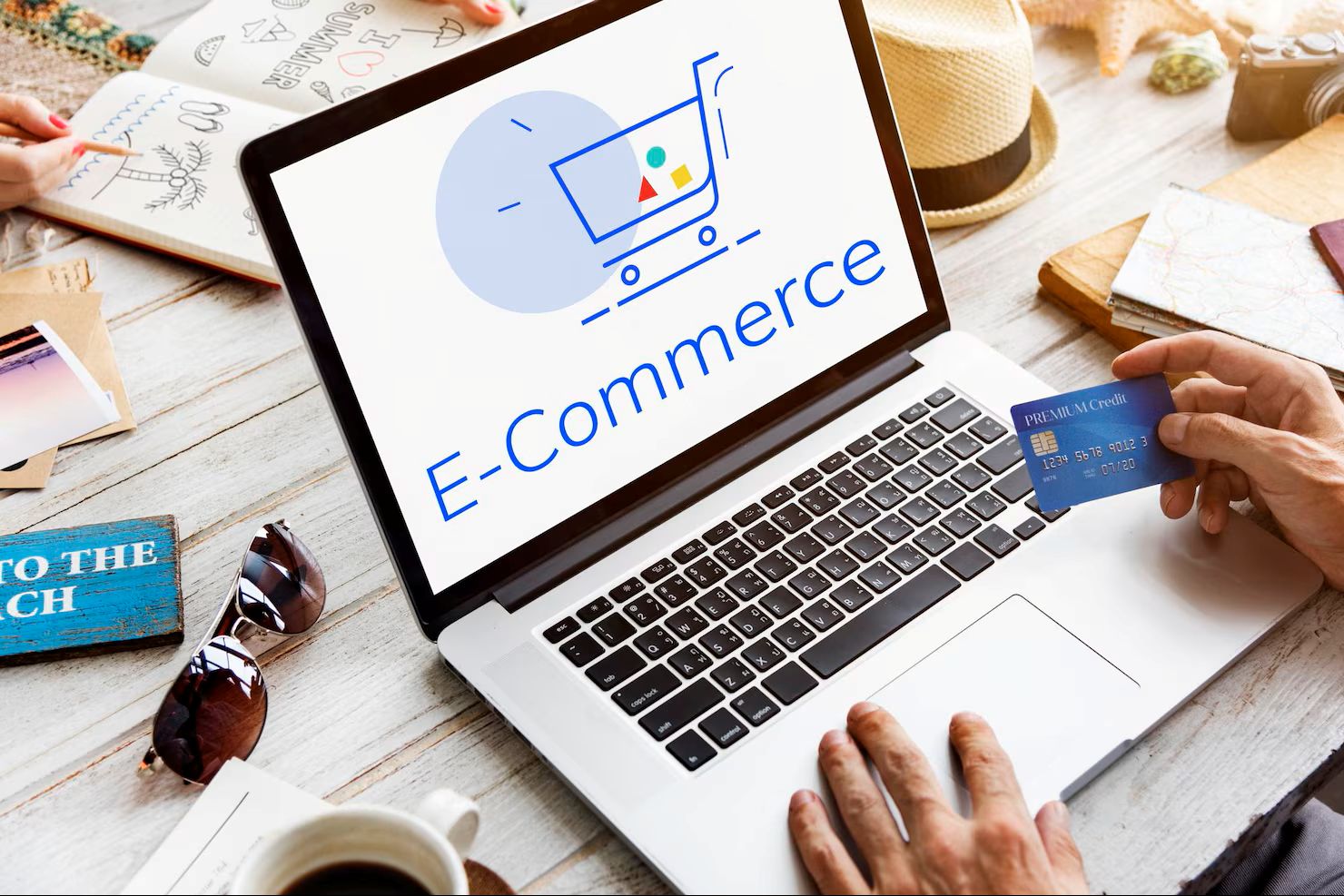
E-commerce is the buying and selling of products or services through electronic systems, most commonly over the internet. It covers more than the payment itself: digital commerce also involves product promotion, order management, delivery coordination, and customer support. As more people use online channels to research and shop, e-commerce has become an important part of Indonesia’s digital economy.
1. What e-commerce means
An e-commerce transaction takes place through a digital channel such as a marketplace or a business’s own online store. Customers can browse product information, place orders, and receive updates without visiting a physical location. The business still needs reliable processes for inventory, payment, fulfillment, returns, and service behind the online storefront.
How e-commerce has developed
Online commerce has expanded as internet access, digital services, and customer expectations have changed. Businesses can use online channels to serve customers beyond their local area, while shoppers can compare products and order at times that suit them. This creates opportunities, but it also makes clear information, secure transactions, and dependable fulfillment essential.
2. Main e-commerce models
Business-to-consumer (B2C)
B2C describes a business selling directly to individual customers. It includes online retail stores and brands that operate their own digital storefronts. Product pages, checkout, delivery, and customer support are central parts of the experience.
Business-to-business (B2B)
B2B transactions take place between businesses. A supplier may sell products to a retailer, or a company may purchase services and equipment online. Buyers may need quotations, account pricing, bulk ordering, or internal approval workflows.
Consumer-to-consumer (C2C)
C2C connects individuals who sell to other individuals, often through a marketplace. Listings, seller profiles, communication tools, and platform rules can help participants find each other and understand the transaction process.
Consumer-to-business (C2B)
In C2B commerce, individuals provide a product or service to a business. Examples include freelance work, creative services, and licensed content. The process may involve a project agreement and delivery milestones rather than a standard retail order.
3. Examples in Indonesia
Marketplace platforms are one familiar example: they bring multiple sellers and customers together in a shared online environment. Another example is a brand or retailer’s own website, where the business manages its catalog and customer journey directly. Social and messaging channels may also support product discovery and customer communication, depending on how the business handles orders and payments.
4. Benefits for businesses
More efficient operations
Digital tools can organize product catalogs, orders, and customer communication in a more consistent workflow. Automating routine steps may reduce manual work, although businesses still need to maintain accurate data and handle exceptions such as returns or payment issues.
Broader market reach
An online storefront can make products discoverable to customers outside the immediate area of a physical shop. Businesses can use analytics to understand which products and channels attract interest, then improve their offers and service based on what they learn.
Conclusion
E-commerce enables digital buying and selling through marketplaces, standalone stores, and other online channels. B2C, B2B, C2C, and C2B describe different relationships between buyers and sellers. For businesses in Indonesia, choosing the right approach means understanding customers, preparing secure and dependable operations, and using digital channels to provide a clear, useful buying experience.








